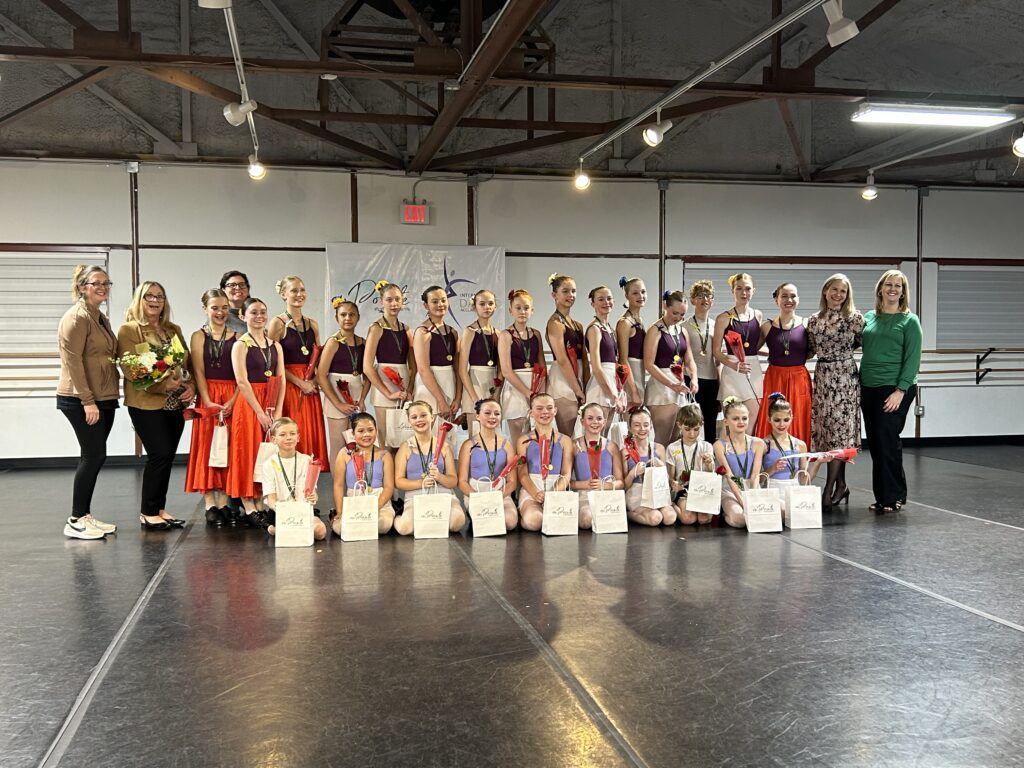
IDA Summer Tour 2026: Achievement Through Performance

Welcome to our master schedule for the upcoming summer convention season. Join International Dance Acclaim on the road this summer in Chicago and Las Vegas. Discover our standards-based, performance-driven frameworks designed to elevate studio training and maximize student retention.

Event: Energize Dance Convention (Chicago, IL)

  • Location: Chicago
  • Date: Wednesday, July 22, 2026
  • Time: 10:45 AM to 11:45 AM
  • Class Title: The Bridge to Ballet: Elevating the 6-8 Year Old Experience
  • Faculty: Rebecca Tsivkin (IDA Director)
  • Pedagogical Focus: Discover the Ballet Building Blocks framework. Learn specific, structured exercises to transition primary-level students into formal barre work and introductory pirouettes without losing the vibrant energy or spark of the classroom.

Event: Dance Teacher Web Conference and Expo (Las Vegas, NV)

  • Location: Las Vegas
  • Expo Booth: Visit the International Dance Acclaim team in the main expo hall throughout the weekend to explore our growth-focused adjudication and framework.

Session 1: Stretch & Conditioning

  • Date: Thursday, August 6, 2026
  • Time: 5:30 PM to 6:30 PM (17:30 – 18:30)
  • Class Title: The Competitive Edge: Fusing Rhythmic Gymnastics & Ballet
  • Faculty: Rebecca Tsivkin (IDA Director)
  • Pedagogical Focus: Learn a unique core stability and floor barre conditioning method. This session fuses rhythmic gymnastics precision with classical technique to build functional strength, elite physical placement, and long-term injury prevention.

Session 2: Tap Faculty Presentation

  • Date: Friday, August 7, 2026
  • Time: 9:15 AM to 10:15 AM (09:15 – 10:15)
  • Class Title: TAP: Teach It Once, Use It Twice: Smart Choreography for Busy Teachers
  • Faculty: Dianne Schiller (IDA Tap Director)
  • Pedagogical Focus: Tailored for high-beginning and low-intermediate dancers. Learn how to take three foundational combinations and strategically alter the musicality and staging to create two entirely distinct performance pieces. Includes a live technical troubleshooting session at the conclusion.

Session 3: Ballet Pedagogy

  • Date: Friday, August 7, 2026
  • Time: 10:30 AM to 11:30 AM (10:30 – 11:30)
  • Class Title: BALLET: Blueprint for Adaptable Choreography: Technical Building Blocks
  • Faculty: Rebecca Tsivkin (IDA Director)
  • Pedagogical Focus: Tailored for high-beginning and low-intermediate levels. This session introduces a systematic mapping framework focused on three core technical blocks to maximize muscle memory and build highly adaptable arrangements.

Session 4: Early Learner Development

  • Date: Friday, August 7, 2026
  • Time: 2:00 PM to 3:00 PM (14:00 – 15:00)
  • Class Title: BALLET: The Storybook Pathway: Creative Dance to Pre-Ballet
  • Faculty: Rebecca Tsivkin (IDA Director)
  • Pedagogical Focus: Specific to ages 5 and 6. Learn how to weave authentic ballet foundations into a narrative framework utilizing Sleeping Beauty themes, instilling a structured work-to-improve mindset in young students.

Session 5: Jumps & Male Dancer Integration

  • Date: Saturday, August 8, 2026
  • Time: 2:00 PM to 3:00 PM (14:00 – 15:00)
  • Class Title: BALLET: Elevate Everyone: Better Jumps and Boy-Friendly Strategies
  • Faculty: Rebecca Tsivkin (IDA Director) and Noam Tsivkin (Professional Ballet Dancer)
  • Pedagogical Focus: A technical breakdown of elevation, landing mechanics, and physical safety. This co-taught session provides clear pathways to successfully challenge, motivate, and integrate male dancers into a cohesive classroom environment.
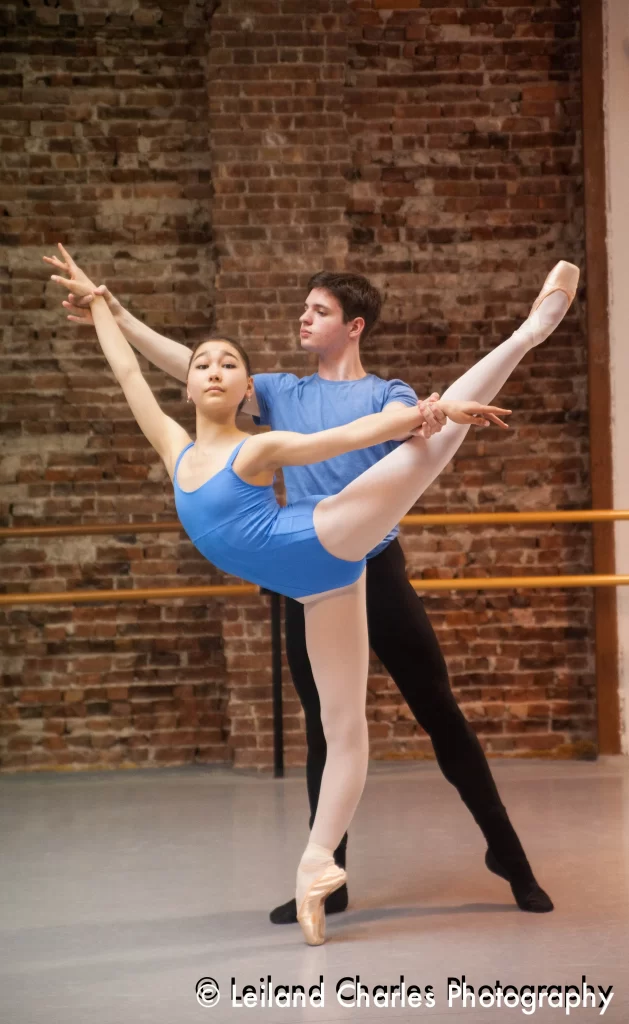
Beyond the Splits: Building Functional Strength for the Modern Studio

Every dance educator wants stronger, more flexible dancers. But in the pursuit of impressive extensions and picture-perfect splits, one critical piece is consistently overlooked: functional strength.

Flexibility without control is a liability. A dancer who can achieve a high line but lacks the core stability to hold it, protect their joints, or land safely is at real risk — and that’s true whether they’re training recreationally, competing, or on a pre-professional track. Ballet, contemporary, jazz, and commercial styles all ask something significant of the body. The question is whether we’re building dancers who can actually meet that demand.

Fusing Two Disciplines for One Competitive Edge

This training method draws from deep roots in both rhythmic gymnastics and classical ballet. By blending the geometric precision of gymnastics conditioning with the alignment principles of ballet, we target the body in ways traditional stretching simply can’t. The result is dancers who don’t just reach their limits, but own them — at every level.

The Structural Blueprint

Start Young. These conditioning exercises can be introduced as early as age six, building sound physical habits from the ground up. The earlier dancers learn how their bodies work, the more naturally strength and flexibility develop together — whether that student goes on to train professionally or simply dances for the love of it.

Build Habits First. In the first class of the year, invest about 30 minutes moving through each exercise individually. Focus on form, transitions, and teaching dancers to understand their own major muscle groups. Dancers who understand their bodies train smarter all season, and it saves significant time down the road.

Stretch at the End. Deep flexibility work belongs at the close of class, when muscles are fully warm and the body is ready to adapt. Warm muscles respond; cold ones resist, or worse, get hurt.

This approach works because it meets dancers where they are. A recreational student and a pre-professional student have different goals, but both need a body strong enough to support what their training asks of it. That’s exactly what this method builds.

We aren’t just stretching bodies. We’re building them to withstand the real demands of dance training, whatever those look like in your studio.

Join Me This Summer

I’m excited to share this work live at Dance Teacher Web Conference this August in my session, STRETCH & CONDITIONING: The Competitive Edge, Fusing Rhythmic Gymnastics and Ballet. Registration is open now. Come ready to move. If you’re attending the conference, come find me on Instagram and let me know what conditioning challenges you’re facing this season. I’d love to hear what your students are working through.

The Grapevine Upgrade – A Strategic Glimpse into Smart Choreography

As we move into the final stretch of the season, most dance teachers are facing the same challenge: keeping students engaged and technical standards high while managing the heavy workload of recital preparations.

The key to surviving this period isn’t working harder, it’s teaching smarter.

This week, our IDA Tap Director, Dianne Schiller, shared a perfect example of this through a concept she calls “Teach It Once, Use It Twice.” This isn’t just about saving time; it’s a modular approach to choreography that builds student confidence by layering new challenges onto a foundation they already understand.

The Progression in Action

Using a staple from the IDA F1 Dance, “Latin Spice,” Dianne demonstrates how to take a basic grapevine and “upgrade” it into a complex technical phrase.

As you can see in the video, the progression follows a clear logical path:

  1. The Base: A standard, clean grapevine.
  2. The Technical Layer: Adding extra heel drops to find new sounds within the same footprint.
  3. The Challenge: Incorporating a flap and a spank while increasing the tempo.

By the end of the exercise, the students are performing a high-energy, technical combination, but because the “map” of the step (the grapevine) stayed the same, the learning curve is significantly shorter.

Why Modular Teaching Works

When you use “Smart Choreography,” you reduce the mental fatigue for both the teacher and the dancer.

  • For the Student: They feel successful because they aren’t starting from zero. They are simply adding “attachments” to a move they’ve already mastered.
  • For the Teacher: You can use these foundational “modules” to create multiple performance pieces. By changing the staging, the musicality, or the speed, you can get two entirely different looks out of the same set of steps.

See the Full System at Dance Teacher Web

If you want to move away from reinventing the wheel every season, join Dianne Schiller at the Dance Teacher Web Conference this August in Las Vegas.

She will be teaching her full session: “Teach It Once, Use It Twice: Smart Choreography for Busy Teachers.” She’ll be breaking down three foundational combinations and showing you exactly how to rearrange them into two distinct performance numbers.

The Best Part? Dianne is also hosting a live “Tap Teacher’s Troubleshooting” session. Whether it’s a muddy sound you can’t fix or a step your students just aren’t nailing, you can bring your toughest technical questions and get an immediate solution on the spot.

The Science of the Pre-Junior Kneel: Mechanics vs. Momentum

In the International Dance Acclaim (IDA) curriculum, we believe that even the simplest movements are deep technical studies. A perfect example is the final kneel in our Pre-Junior Tier A2. While it looks like a regal finish to the student, for the educator, it is a critical diagnostic tool for technical development.

The Two-Fold Approach to the Kneel

We teach the Tier A2 kneel in two distinct phases. This isn’t just for variety; it’s to ensure the student masters the underlying mechanics before they are challenged by the forces of speed and momentum.

Phase 1: Controlled Transfer (The 2-Count Slide)

The first way we approach the movement is through a slow, deliberate Port de Bras.

  • The Setup: The student establishes a strong, held 1st position for 12 counts. This builds the isometric strength and postural awareness needed before the move even begins.
  • The Action: The student has 2 counts to transfer the weight, release the back foot, and slide a pointed foot down to the floor.
  • The Goal: This is a study in eccentric control. We are looking for the student’s ability to resist gravity and maintain a vertical axis without falling into the finish.

Phase 2: Momentum Management (The 1-Count Slide)

In the “Your Majesty” dance, the challenge increases as we introduce locomotion.

  • The Setup: The student arrives at the finish following a series of skips and tiny runs on demi-pointe.
  • The Action: The student finds 1st position, steps forward, and fully points the back foot before sliding it down into the kneel in 1 count.
  • The Goal: This tests dynamic stability. It is one thing to slide down from a standstill; it is quite another to “brake” the momentum of a skip, step into a new center, and find a pointed foot instantly. We aren’t looking for a “drop,” but a rapid, controlled descent through the step.

The Pedagogy of Progress

By separating the movement into these two phases, we give young dancers a technical safety net. We allow them to understand the feeling of the weight transfer at a 2-count pace before we ask them to manage the force of a 1-count pace.

At IDA, we don’t just teach steps; we teach the physics of the body in motion. When a student masters the “Science of the Kneel,” they are building the foundational strength required for every grand plié and landing they will perform in the years to come.

Want to see these “Building Blocks” in action? Explore the IDA Curriculum Tiers

March 2026 Technique Talk Summary: Recital Preparation and Polishing

Overview

This Technique Talk focused on strategies for polishing recital pieces during the “March Madness” spring season. Led by Rebecca Tsivkin (Director of IDA), alongside Pam McCray (Head Judge) and Dianne Schiller (Tap Director), the session provided practical solutions for the unique challenges of preparing students for performance while maintaining the high technical standards central to the International Dance Acclaim curriculum.


Core Choreographic Approaches

Teachers discussed two primary methods for setting work: “Clean as You Go” and “Plow Ahead.”

  • The Trade-off: While cleaning immediately prevents bad muscle memory from forming, it can stall progress and frustrate students. Conversely, plowing ahead allows dancers to grasp the full spatial picture quickly, though incorrect technique can become ingrained.
  • The IDA Hybrid: Rebecca recommended a “medium speed” approach—ensuring everyone is on the correct leg and moving in the right direction without getting stuck on every detail initially.
  • Strategic Sequencing: To ensure the end of the dance is as strong as the beginning, Rebecca suggested teaching the finale first and working backward.
  • Syllabus Integration: Pam noted that using combinations from the IDA syllabus as building blocks reduces the learning curve, as students already understand the expectations and can focus on performance quality.

Spatial Awareness and Mirror Transitions

A critical hurdle in recital prep is mirror dependence, which can destroy a student’s eye line and internal awareness.

  • Breaking the Habit: Nicole shared that her studio teaches all dances facing away from the mirror from day one. This eliminates the confusion of “flipping” the dance later, which is particularly difficult for younger children.
  • Studio-to-Stage Mapping: To bridge the gap, Nicole’s studio uses numbered floor markings that match the theater’s layout. Taping out “wing positions” in the studio gives students a concrete sense of where they are, allowing them to focus on dancing rather than logistics.

Engagement and the Cleaning Process

To combat the boredom that sets in during repetitive cleaning, the panel shared several engagement strategies:

  • Observational Learning: Rebecca suggested dividing the class into groups to watch each other. Pairing “Stage Right” dancers to watch “Stage Left” counterparts develops their critical eye; students often notice technical errors that teachers might miss.
  • The Rule of Three: To build focus, Rebecca uses a rule where a section must be performed perfectly three times in a row. If the third time is flawed, the count resets to zero. This creates “performance pressure” without the distrust caused by saying “just one more time” repeatedly.
  • Gamification: For younger students, Marilyn uses “Super Sticker Day” to reward the completion of specific sections, while Savannah suggested “Counting Challenges” (e.g., counting every First Position in a dance) to reinforce technical awareness.

Technical Polishing & Rebecca’s “Crazy” Teacher Tip

The segment emphasized that a performance doesn’t end when the music stops, but when the audience looks away.

  • First & Last Impressions: Pam stressed that entrances and exits are the most memorable moments for an audience and require dedicated rehearsal time.
  • The “Blurry Eye” Technique: Rebecca shared a professional rehearsal tactic: observing the piece through soft, unfocused eyes.

“You must give the students a ‘heads-up’ because you look a bit crazy doing it, but the technique makes technical outliers—like a single arm that is too high or a student who is half a count early—immediately jump out from the group.”Rebecca Tsivkin


Managing Younger Performers (Ages 3-5)

The panel reached a consensus that very young students should not perform entirely independently.

  • Layered Support: Karen’s studio uses a system involving teachers and assistants in the wings to provide familiar faces.
  • Joy Over Trauma: Marilyn emphasized that making the recital a joyful experience is the priority. She often places a teacher on a chair in the front row to provide visual cues, ensuring students (and parents) are excited to return the following year.

Final Key Takeaway

The most effective recital preparation relies on the foundation of a syllabus. By utilizing the technical vocabulary students have practiced all year, teachers can maintain high standards even when faced with fluctuating attendance and the typical pressures of the spring season.


Additional Resources

Maya Plisetskaya (1976): At 51 years old, her control is legendary. Watch how her feet never seem to leave the floor, creating a seamless glide. Watch Maya Plisetskaya

Polish National Ballet: Look for the “Dance of the Wilis” section. You can see the corps de ballet and the Queen of the Wilis (Myrtha) using these runs to create a haunting, weightless effect. Watch Dance of the Wilis

Watch the section where Fumi Kaneko travels diagonally backward. Her feet are in a tight parallel position, creating a “shimmering” effect that makes her look like she is gliding on ice. Fumi Kaneko – Fairy of the Woodland Glade

Don Quixote: Kitri Act III Variation (Maria Khoreva). This variation is an elite example of how a transitional pas couru (run on pointe) can set the tone for an entire performance. Khoreva enters with exceptional speed and precision, maintaining a perfectly level pelvis and a calm, regal upper body. This is a “Gold Standard” for demonstrating how to combine athletic power with classical refinement. Watch Maria Khoreva’s Kitri Entrance

IDA Honors Esteemed Artistic Advisor, Brian Loftus

A Legacy of Excellence

Brian Loftus

International Dance Acclaim shares this news with immense sadness: our revered Artistic Advisor, Brian Loftus, passed away peacefully on Thursday, October 16, 2025.

Mr. Loftus was more than an advisor; he was a guiding light whose profound knowledge and passion for classical technique helped set the international standard of excellence for the IDA Syllabus. His wisdom is permanently woven into the foundation of our progressive Tiers and Awards.

A Life Dedicated to Artistry and Technique

A respected figure across the international dance community, Brian Loftus built a career defined by both breathtaking performance and dedicated instruction.

He trained in London and Paris, and danced professionally with the renowned Sadlers Wells Opera Ballet in London and with Grand Ballet Classique de France in Paris.

For over four decades, he was recognized globally as an international guest teacher, lecturer, and choreographer of the highest repute. His vast experience includes:

  • A Cornerstone of London Dance: For 22 years, he held highly sought-after “Open Professional Classes” in London’s famed Covent Garden, classes attended regularly by many of the world’s most well-known dancers.
  • International Influence: He taught regularly in dance capitals including London, Paris, Germany, Israel, and Japan.
  • Company Guest Teacher: Mr. Loftus was invited as a guest teacher with numerous large ballet and contemporary companies across the globe, including:
    • London Festival Ballet (now called English National Ballet)
    • Rambert Dance Company
    • London Contemporary Dance Company
    • London City Ballet
    • Koblenz Ballet Company and Kiel Ballet Company in Germany
    • The Deborah Colker Company from Brazil.

His Enduring Contribution to IDA

As an Artistic Advisor for International Dance Acclaim, Brian Loftus brought the unparalleled standards of the world stage directly to our syllabus. His commitment ensured that every dancer participating in IDA’s program is cultivated with the kind of technical precision, artistry, and foundational strength required for a successful dance career.

Brian passed down specific exercises that are cornerstones of the IDA curriculum—pieces of choreography designed not just to challenge, but to fundamentally shift a dancer’s ability. To honor his enduring contribution, we want to share an exercise he taught for the execution of a dynamic tour jeté. IDA member, dancer and teacher Noam Tsivkin demonstrates this specific exercise, showcasing the precise attention to detail and clean lines that Brian always championed:

Brian’s generous spirit and tireless advocacy for the highest quality of classical training will continue to live on through every teacher we train and every student who achieves success through the IDA program.

He will be profoundly missed by his many friends, colleagues, and students around the world.


Elevating Every Dance Studio: IDA’s Support for All Approaches

Dance studios are vibrant communities, each with a unique mission – from rigorous competition training to fostering recreational enjoyment, preparing students for pre-professional careers, or building community through movement. International Dance Acclaim (IDA) offers comprehensive tap and ballet curricula, culminating in our engaging IDA Awards adjudicated event, designed to support all these diverse approaches and help every dancer flourish.

For Studios with Competitive or Pre-Professional Aspirations: Enhance Training & Expand Opportunities

Your studio is dedicated to pushing dancers towards excellence, whether on the competition stage or in preparation for advanced training and careers. IDA offers a unique way to strengthen your core curriculum and expand opportunities, providing structured foundational work and enriching performance experiences that benefit every student.

Consider how IDA can seamlessly integrate with your existing approach:

  • Build Stronger Foundations: Our structured tap and ballet curricula provide a clear, progressive path for technical mastery. This in-depth training ensures dancers develop a solid understanding of core techniques, directly supporting more refined and confident performances—whether for competition, auditions, or pre-professional showcases. It’s about strengthening the fundamental skills that elevate every performance.
  • Offer Inclusive Performance Experience: While competitive teams or pre-professional tracks may focus on select dancers, IDA provides valuable performance opportunities for all your students. This allows younger dancers, those new to performing, or even your aspiring competitive or professional students to gain invaluable stage experience and receive professional, constructive feedback in a supportive setting, building confidence and presence without high stakes.
  • Diversify Performance Avenues: The IDA Awards offer an additional, distinct performance experience. Held at your studio or a shared venue, these adjudicated events provide a focused environment where dancers can concentrate purely on executing their artistry and receiving personalized feedback, separate from competitive scoring or audition pressures. This varied experience helps develop well-rounded, adaptable performers.
  • Boost Overall Student Retention: By providing a clear curriculum with achievable milestones and performance opportunities that include everyone, you create compelling reasons for all dancers to stay engaged. Students who may not be on the competitive team or a pre-professional track still find purpose and recognition, becoming long-term, loyal members of your studio.

IDA acts as a strong support system, enhancing your dancers’ technical skills, broadening their performance experiences, and ensuring every student feels valued and continues to progress within your studio.

For Studios Focused on Recreational Enjoyment or Community Building: Drive Engagement & Ensure Retention

Your studio fosters a love for dance in a supportive and fun environment, whether emphasizing recreational enjoyment, personal growth, or strengthening community bonds. IDA is specifically designed to fit these philosophies, offering clear structure, visible progress, and motivating performance opportunities that keep students engaged and returning year after year.

Here’s how IDA empowers your program:

  • Provide Clear Student Progression: A key to keeping recreational and community-focused dancers engaged is showing clear progress. IDA’s tiered tap and ballet curricula offer transparent milestones, allowing dancers and parents to easily see skill development. This structured pathway transforms consistent attendance into a meaningful journey, keeping students motivated and invested.
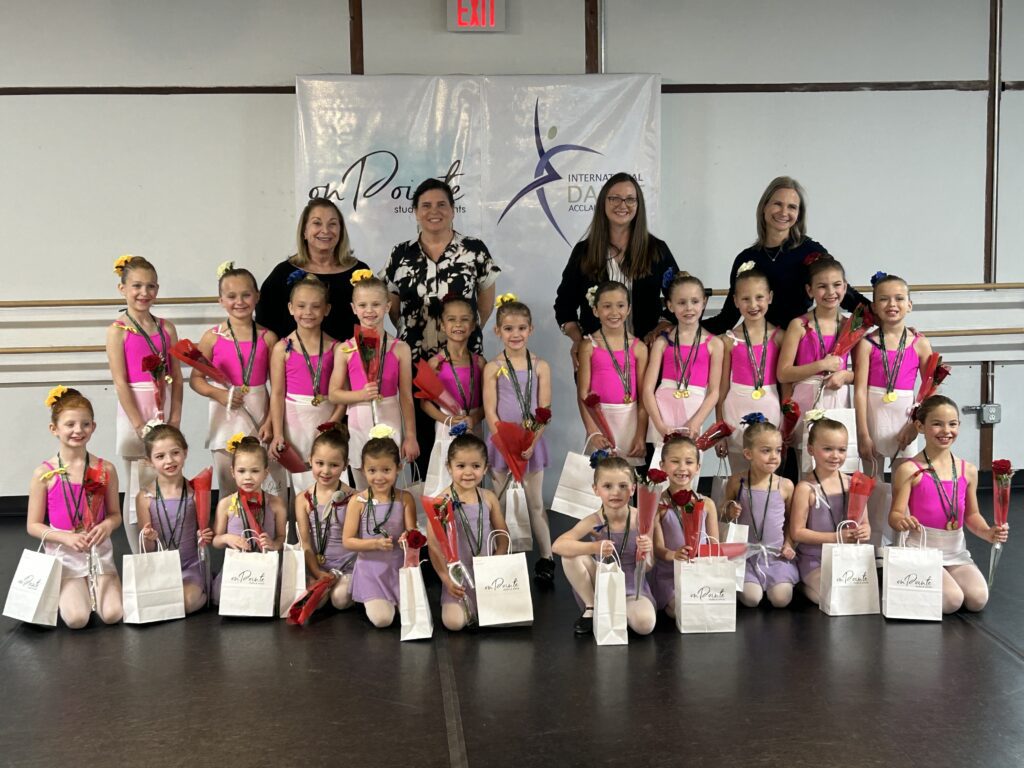
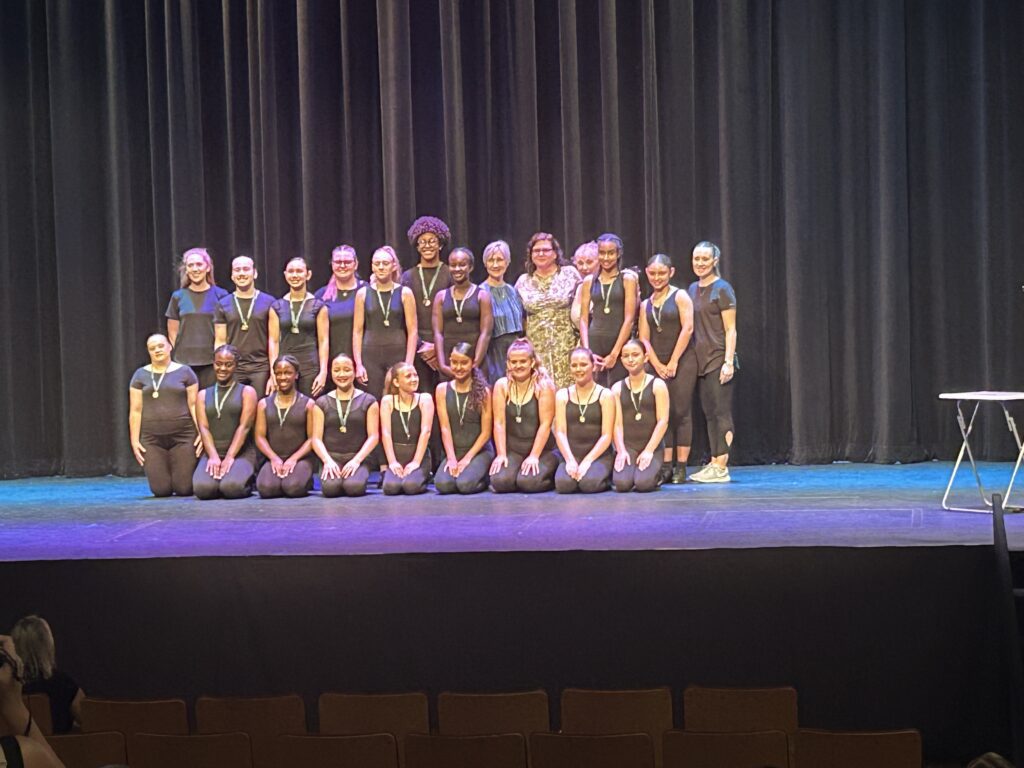
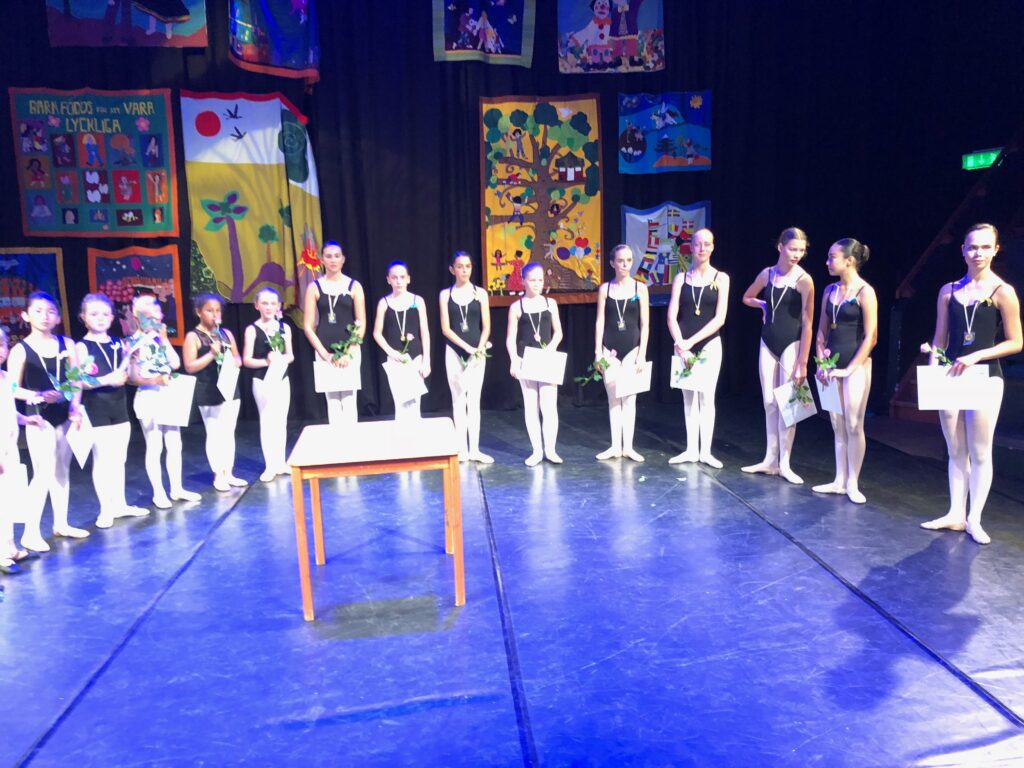
  • Offer Meaningful, Pressure-Free Performance: Every dancer wants to showcase their hard work. The IDA Awards provide an invaluable opportunity for in-studio or stage adjudication where students perform solo or in small groups. The focus is entirely on personal achievement and encouraging feedback from an experienced adjudicator. There are no winners or rankings, just a positive experience where every participant receives a medal and certificate, boosting their confidence and pride. This fosters a strong sense of accomplishment within your community.
  • Increase Engagement and Retention: Dancers often lose interest without clear goals or consistent recognition beyond the annual recital. IDA addresses this by giving them purpose. When dancers feel seen, their efforts acknowledged, and their progress evident, they are more likely to return each season. The IDA Awards and curriculum progression give them something exciting to work toward, reinforcing the value of their participation in your community.
  • Simplify Curriculum Implementation: IDA offers a ready-to-use curriculum, complete with choreography, music, and support materials. This valuable resource saves instructors time and ensures consistency in teaching, allowing them to focus more on individual student needs and fostering a genuine love for dance within your studio’s unique community atmosphere.

With IDA, you can offer your recreational and community-focused dancers a fulfilling journey filled with structure, visible achievement, and empowering performance experiences, strengthening their passion for dance and their loyalty to your studio for years to come.


Ready to explore how IDA can elevate your studio, whatever its focus?

📅 Book a free Studio Success Call to discuss how our programs align with your unique vision and goals.

The #1 Reason Parents Leave (and How to Prevent It)

Spoiler: It’s not scheduling. It’s not the price. It’s something far simpler — and fixable.


Dance studio owners often assume the top reasons for losing students are things like conflicts with sports, rising costs, or transportation issues.

And while those are factors, they’re usually not the real reason parents pull their kids from dance.

The real reason?

They don’t see progress.


Why “Lack of Progress” Drives Drop-Off

Let’s be clear — students might be learning, but that doesn’t always mean parents can see it.

If a parent doesn’t feel like their child is:

  • improving
  • being challenged
  • celebrated for growth
  • or building toward something meaningful

…they’ll start asking themselves:
“Is this really worth it?”

They may not even bring it up. They’ll just quietly finish the season and not return.


It’s Not About Getting Better. It’s About Feeling It.

Parents don’t need perfection.
They need proof of momentum.

They want to know their child is:

  • gaining confidence
  • developing discipline
  • progressing through some kind of path

And if that’s never made visible, they’ll assume it isn’t happening.


So How Do You Fix This?

Here are 3 things you can implement quickly to make progress more visible — without changing your entire program.


✅ 1. Show Milestones Every 2–3 Months

Don’t wait until recital to show progress. Introduce small “wins” every 8–10 weeks:

  • A skills check-in
  • A showcase variation
  • A ribbon, certificate, or video recap

This creates anticipation, celebration, and talking points for parents.

Pro tip: Studios using IDA host “Awards Days” mid-year with adjudicated solos or small group performances. Students feel proud. Parents get something to clap for.


✅ 2. Use Tiered Language (Even If You Don’t Have a Full Curriculum)

Stop saying “beginner” or “advanced” and start using tiers.

Example:

“Sophie’s working toward completing Tier K2 of our ballet program. She’s now expected to demonstrate clean double pirouettes and dynamic contrast in her phrasing.”

Even if you don’t use a formal program like IDA, you can still frame learning in stages that parents can understand.


✅ 3. Talk About Progress in Class AND in Emails

Make it part of your culture.

  • Encourage teachers to mention what students have achieved that week
  • Send periodic progress reports (they can be short!)
  • Mention it casually at the front desk or in passing — “She’s really grown in her musicality this term!”

Most parents aren’t watching class, so they don’t see the day-to-day progress unless you tell them.


Final Thought: They’re Not Looking for Perfect. Just Proof.

When a parent sees that their child is moving forward, they’re not thinking about switching studios, quitting, or spending less.

They’re thinking,

“This is working. I’m proud. My child is thriving.”

And that’s exactly what keeps them coming back.


Want to see how studios are using IDA to show progress, support teachers, and increase retention — without more rehearsals or competitions?
📅 Book a free 15-minute Studio Success Call

Why We Created IDA

It started with a question.

How can we help dancers grow, feel proud, and stay motivated through performance and personal achievement?

For years, we taught at studios, mentored teachers, and judged exams. We saw how motivated students could be when they had a goal, a performance, an evaluation, a chance to shine. But we also saw something else: stress, burnout, tears over missed marks, and talented dancers quitting not because they lacked skill but because they didn’t love the pressure.

We believed there had to be a better way.

We didn’t want more trophies. We wanted more growth.

While traditional dance pathways can be exciting and motivating, they often leave students feeling judged, ranked, or behind. And these pathways aren’t ideal for every dancer or every studio.

We wanted a system where:

  • Every dancer leaves feeling proud
  • Every teacher feels supported
  • Every studio has structure with flexibility

That’s when we created International Dance Acclaim (IDA).

What Makes IDA Different?

Instead of comparative grading, we offer celebration. Instead of broad comparisons, we offer personalized feedback. Instead of rigid syllabi, we offer a flexible curriculum that supports your teaching, not replaces it.

IDA is a performance-based ballet and tap program designed to motivate, celebrate, and educate through a supportive framework.

Students perform tiered exercises and solos for a professional adjudicator in a supportive, showcase-style event. Then they receive a medal, a certificate, and most importantly, encouraging, growth-oriented feedback.

Why Teachers Love It

  • A tiered, progressive curriculum for ballet and tap
  • Over 300 instructional videos
  • Original music by acclaimed ballet pianist Steven Mitchell
  • Easy-to-follow lesson structure for every level
  • Monthly Technique Talks webinars for ongoing support

Whether you’ve been teaching for decades or just started last fall, IDA gives you tools that work without dictating your style or method.

Why Students (and Parents) Love It

Kids want to feel progress. Parents want to see it.

The IDA program creates structure, goal-setting, and celebration through individual accomplishment. Whether it’s a 5-year-old taking their first bow or a teen working on artistry, every dancer gets to perform and feel recognized.

And for parents, an IDA event shows them exactly what their child has accomplished without costumes, chaos, or the pressure of competition.

Achievement Through Performance

IDA exists because we believe:

  • Dancers grow through performance
  • Feedback should encourage, not discourage
  • Structure creates freedom in the studio
  • Every dancer deserves a moment to shine

If you’ve ever felt that your students needed something more to foster their growth and passion for dance, IDA might be exactly what you’ve been looking for.

Want to chat about how it could work for your studio? Book a 15-minute call with us here

Thanks for being part of a community that puts dancers first.

With gratitude,
Rebecca Tsivkin
Director, International Dance Acclaim

Summer Excitement & What’s Next with IDA!

Hello, friends of dance!

What an invigorating lead up to summer it has been. At International Dance Acclaim, we’ve been filled with vibrant activity, connecting with the global dance community and fostering growth. Some recent spring IDA Awards were held in Texas, Grand Cayman, Chicago, Canada, Sweden, and Hong Kong!

Technique Talks: Our Engaging Webinar Series

We’re thrilled to continue our popular monthly webinar series, Technique Talks. Each session brings together dancers and teachers from diverse corners of the world, sharing insights and fostering lively discussions. We recently wrapped up a fantastic session about finishing the year strong and planning ahead. The energy and unique perspectives shared by participants, from across the U.S. to as far as Israel and Denmark, truly made it a memorable experience. It’s always inspiring to connect and learn from one another!

Dance Teacher Web Conference & Expo 2025: IDA is Vegas-Bound!

This summer, we’re once again heading to Las Vegas for the highly anticipated Dance Teacher Web Conference & Expo 2025! This event is a highlight for us, offering an incredible opportunity to connect with new teachers and studio owners at the IDA booth (stop by and say Hello at booth #311!). We cherish these moments to share how IDA empowers dancers through our performance-based curriculum. We’re also incredibly excited to reconnect with familiar faces and continue building our wonderful community. Of course, we’ll be sharing our passion for dance by leading four engaging classes – stay tuned for our full schedule! It’s always a whirlwind of inspiration, learning, and fun.

What’s on the Horizon?

We’re already looking forward to our next Technique Talk session. Keep an eye on your inbox and our social media channels for the official date and topic announcement. We’ll be exploring another valuable subject to support your dance journey.

Until then, keep dancing with passion, keep learning, and keep spreading the joy of movement!

See you soon,

The IDA Team