There’s a unique and powerful synergy that occurs when a school commits to both rigorous pre-professional training and deep community engagement. It’s a delicate balance that cultivates not just exceptional artists, but also well-rounded individuals who understand the profound impact of their art. And playing a vital, often unsung, role in fostering this dynamic is an organization like International Dance Acclaim (IDA).
Many top-tier ballet schools are known for their intense training, producing dancers ready for the world’s most prestigious stages. But the true magic happens when that dedication to excellence is rooted in a commitment to the local community. Imagine a school where young dancers push their limits in the studio, perfecting fouettés and grand jetés, yet also understand the joy of sharing their passion with neighbors who might never step foot in a professional theater.
This is where International Dance Acclaim shines. IDA isn’t a competition in the traditional sense; instead, it’s a developmental program that focuses on “Achievement through Performance.” The unique adjudication process, where students perform choreographed exercises and a solo for an experienced IDA adjudicator, offers a tangible goal and a powerful motivator for technical and artistic growth. This structure inherently supports the pre-professional aspirations of a dance school by:
- Providing a Benchmark for Excellence: The external assessment by an experienced IDA judge offers an objective evaluation of a student’s progress against international standards. This is invaluable for pre-professional schools, ensuring their curriculum is effectively preparing dancers for the demands of higher-level training and eventually, professional auditions.
- Enhancing Performance Quality: IDA’s focus on structured exercises and solos directly refines performance skills, stage presence, and musicality – all critical components for a successful dance career. The preparation for an IDA Award is a mini-performance season in itself, building resilience and confidence.
- Accelerating Training: The specific choreography and music provided by IDA are designed to improve technique, stamina, and artistry, pushing students beyond their comfort zones and accelerating their development. This complements the rigorous daily training of a pre-professional program.
But how does this pre-professional drive integrate with a strong community focus? This is where IDA’s indirect, yet significant, influence becomes apparent:
- Inclusive Performance Opportunities: While IDA challenges dancers to strive for personal bests, it’s also designed to be a positive experience for every participant. This inclusive approach to “performance” – less about winning and more about personal achievement – aligns perfectly with a community-focused school’s desire to give all dedicated students valuable stage experience, not just a select few.
- Building Confidence for Wider Engagement: The success and positive feedback students receive through IDA Awards can be a tremendous boost to their self-confidence. This newfound assurance then empowers them to engage more readily in community performances, outreach programs, and even teaching opportunities, becoming ambassadors for the art form.
- Fostering a Culture of Growth, Not Just Competition: When students are motivated by personal achievement and the supportive feedback of adjudicators (rather than solely by competitive rankings), it creates a healthier, more collaborative studio environment. This aligns with the “family” feel often found in community-focused schools, where mutual support is prioritized.
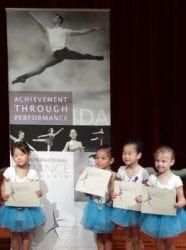
- Showcasing Local Talent: Schools often invite parents, friends, and local community members to witness their IDA performances. This provides a fantastic opportunity for the school to showcase the talent cultivated within its walls, drawing the community closer and inspiring future dancers. It’s a direct demonstration of the high-quality training available right in their neighborhood.
In essence, an organization like International Dance Acclaim provides the ideal framework for a pre-professional school to hone its dancers’ skills while simultaneously strengthening its community ties. It offers a structured path for individual artistic growth, preparing students for the competitive dance world, but does so in a way that encourages participation, builds confidence, and celebrates achievement for everyone. It’s a beautiful example of how high standards and heartfelt community spirit can dance together, creating a truly enriching experience for all.
Ready to explore how IDA can elevate your studio?
📅 Book a free Studio Success Call to discuss how our programs align with your unique vision and goals.

 Dance Steps